Cybersecurity in the 21st Century: Protecting Data in a Digital World
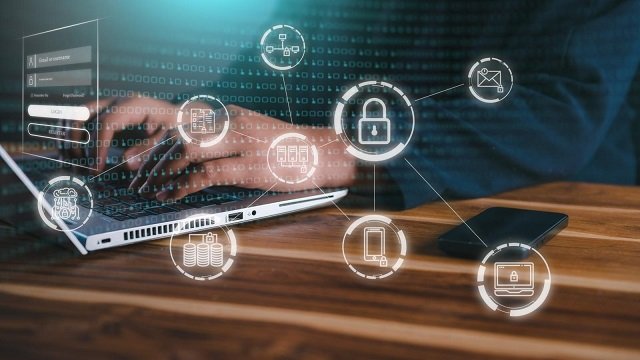
In today’s increasingly digital world, cybersecurity has become one of the most important concerns for individuals, businesses, and governments alike. As technology continues to advance, so do the methods used by cybercriminals to exploit vulnerabilities and steal sensitive information. With data being generated and shared at unprecedented rates, protecting it has become a critical challenge. This article explores the importance of cybersecurity in the 21st century, the risks we face, and strategies to safeguard our digital lives.
The Growing Importance of Cybersecurity
The internet has revolutionized the way we live and work. From shopping online to accessing health records, communication, and financial services, much of our daily activities now depend on digital platforms. However, this digital transformation has also created new opportunities for malicious actors to target individuals and organizations.
The impact of a data breach can be devastating. Personal information, including social security numbers, financial data, and medical records, can be stolen and used for identity theft or fraud. Businesses can suffer financial losses, damage to their reputation, and legal consequences from a breach. Even governments are not immune, with sensitive national security information and classified data becoming targets for cyberattacks.
See also: The Future of Artificial Intelligence: Transforming Industries and Society
Key Cybersecurity Threats in the Digital Age
Several types of cyber threats pose significant risks to data security. Some of the most common threats include:
- Malware and Ransomware: Malware is malicious software designed to damage or disrupt systems, while ransomware locks users out of their data and demands payment to regain access. These attacks can spread quickly across networks and cause significant damage to businesses and individuals.
- Phishing Attacks: Phishing involves tricking individuals into revealing personal information, such as passwords or credit card numbers, by pretending to be legitimate organizations. These attacks often come in the form of deceptive emails or fake websites.
- Data Breaches: A data breach occurs when unauthorized individuals gain access to sensitive information, often through hacking or exploiting security weaknesses. Large-scale breaches have affected companies like Equifax, Target, and Yahoo, compromising millions of users’ personal data.
- Social Engineering: Cybercriminals use psychological manipulation to trick individuals into breaking normal security procedures. For example, an attacker might impersonate a co-worker to gain access to confidential information.
- Distributed Denial-of-Service (DDoS) Attacks: In a DDoS attack, multiple systems are used to flood a target’s network with traffic, causing it to become overloaded and crash. These attacks are often used to disrupt services or cause reputational harm.
Strategies for Cybersecurity in the 21st Century
As the threats to cybersecurity evolve, so must our methods of defense. To protect ourselves and our data in the digital world, several strategies are necessary:
- Strong Passwords and Multi-Factor Authentication (MFA): One of the easiest ways to protect your data is by using strong, unique passwords for each account and enabling multi-factor authentication (MFA). MFA requires users to provide two or more forms of verification, such as a password and a fingerprint or code sent to a phone, adding an extra layer of security.
- Regular Software Updates: Cybercriminals often exploit vulnerabilities in outdated software to launch attacks. Regularly updating your operating system, applications, and antivirus software ensures that you have the latest security patches and defenses against known threats.
- Encryption: Encryption involves converting data into a coded format that can only be deciphered with a specific key. Encrypting sensitive data ensures that even if it is intercepted or stolen, it cannot be read or used by unauthorized parties.
- Employee Training and Awareness: Many cyberattacks are successful because of human error. Organizations should invest in training their employees to recognize phishing attempts, use secure practices, and follow protocols to prevent security breaches.
- Firewalls and Antivirus Software: Firewalls monitor network traffic and block potentially harmful connections, while antivirus software detects and removes malware. Both are essential tools for protecting personal devices and corporate networks.
- Data Backups: Regularly backing up important data ensures that, in the event of a cyberattack like ransomware, it can be recovered without having to pay a ransom. Cloud-based backups and external hard drives are useful tools for data recovery.
- Cybersecurity Policies and Incident Response Plans: Businesses should implement comprehensive cybersecurity policies that outline best practices and procedures for dealing with cyber threats. Having an incident response plan in place ensures that any breaches are addressed quickly and effectively, minimizing damage.
The Role of Governments and International Cooperation
As cyber threats continue to grow, governments must play an active role in cybersecurity. This includes passing legislation to protect individuals’ privacy, regulating data protection practices, and promoting cooperation between countries to combat cross-border cybercrime. International organizations like INTERPOL and the European Union have taken steps to create global frameworks for cybersecurity, but more is needed to address the rapidly evolving threat landscape.
Cybersecurity is not only about protecting individuals and businesses but also about safeguarding critical infrastructure, such as energy grids, healthcare systems, and transportation networks, from cyberattacks that could have catastrophic consequences.
Conclusion
In the 21st century, cybersecurity is an essential part of our digital lives. As we continue to rely on the internet for almost every aspect of our daily routines, the importance of protecting our personal and organizational data cannot be overstated. While the challenges are significant, proactive measures such as strong passwords, encryption, regular updates, and employee training can go a long way in safeguarding against cyber threats.
The future of cybersecurity will likely involve even more advanced technologies, such as artificial intelligence and machine learning, to detect and respond to threats in real time. However, the most important factor will always remain the human element — our ability to stay vigilant, informed, and prepared for the risks of the digital age. By working together, individuals, businesses, and governments can build a more secure and resilient digital world.